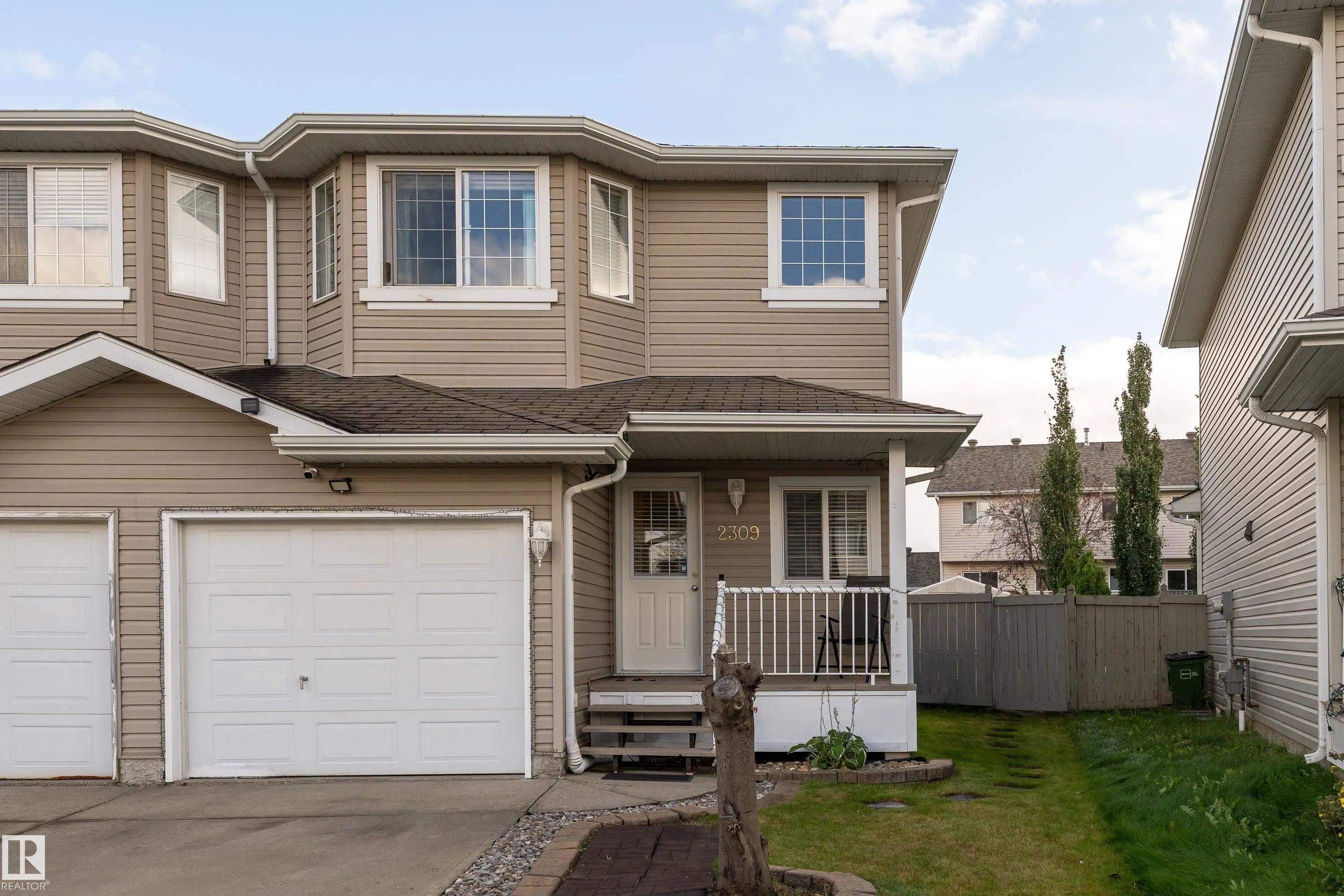
Learn how investors use HELOCs to fund sub-$500K real estate deals, preserve low-rate mortgages, and manage leverage risks before investing.
Executive Summary
Traditional cash-out refinancing has ground to a halt as 30-year mortgage rates hover near 6.76%, driving borrowers away from replacing existing low-rate debt. Instead, home equity lines of credit (HELOCs) and equity products have surged to 76% of mortgage inquiries, offering investors a targeted mechanism to deploy capital. For sub-$500,000 real estate investors, tapping secondary equity provides the liquidity needed to negotiate aggressively in a market where unsold supply has reached a 10-year high of 4.9 months.
Note: This analysis is for informational purposes only and should not be construed as financial or investment advice.
Key Developments
A massive structural shift is underway across mortgage origination channels. According to data tracked by ratezip.com, traditional refinancing dropped from 39% of consumer mortgage inquiries down to just 2% over the three months ending August 2026.
Over the same period, equity-tapping inquiries—primarily HELOCs and reverse mortgages—soared from 43% to 76% of total demand. Homeowners holding primary mortgages locked at 3% to 4% are refusing to execute full cash-out refinances, which would reprice their entire loan balance at prevailing rates between 5.99% and 7.125%.
Simultaneously, buyer purchasing activity has cooled, opening a window of opportunity for capitalized buyers. The National Association of Realtors reported that existing-home sales slipped 2.0% month-over-month in August 2026 to a seasonally adjusted annual rate of 3.98 million units, according to nar.realtor.
Total housing inventory rose 3.2% to 1.62 million units, bringing unsold supply to 4.9 months—the highest level recorded in over a decade. Meanwhile, new home sales tumbled 10.5% month-over-month as buyers pushed back against elevated borrowing costs, as reported by ratezip.com.
| Metric | August 2026 Level | Year-over-Year Shift |
|---|---|---|
| Refinance Share of Inquiries | 2.0% | Down from 39% |
| Home Equity Product Share | 76.0% | Up from 43% |
| Existing Home Sales Pace | 3.98M units | Down 1.2% YoY |
| Unsold Housing Supply | 4.9 months | Up from 4.6 months |
| Median Existing-Home Price | $429,100 | Up 1.6% YoY |
Investor Impact
For real estate investors operating in the sub-$500,000 asset class, the divergence between rising inventory and locked-in mortgages creates distinct strategic advantages.
With national median home prices at $429,100, securing a 20% down payment ($85,820) plus closing and stabilization reserves often requires between $100,000 and $120,000 in liquid capital. Drawing that capital from a second-lien HELOC avoids disturbing a primary fixed-rate mortgage on an existing primary residence or primary rental.
Borrowers inquiring about HELOCs report median property values of $500,000 with a baseline loan-to-value (LTV) of 31%, according to ratezip.com. That balance leaves substantial room to extract capital while remaining under traditional 80% combined LTV caps.
Because unsold inventory has risen to 4.9 months and median days on market reached 31 days, sellers are increasingly open to price concessions, repair credits, and closing cost assistance. Investors deploying liquidity derived from HELOCs can execute non-contingent cash offers or submit strong purchase bids in secondary and tertiary markets like Indianapolis, Kansas City, or Cleveland where properties trade well below $350,000.
Furthermore, this liquidity can fund value-add renovations to increase net operating income, drive forced appreciation, and elevate an asset's cap rate above market averages.
Tactical Takeaways
-
Preserve Low-Rate Senior Liens: If your current primary or rental asset holds an interest rate below 4.5%, avoid cash-out refinancing entirely. Instead, secure a second-lien HELOC to isolate higher borrowing costs strictly to the new capital extracted.
-
Target 4.5+ Month Inventory Micro-Markets: Leverage expanding inventory to negotiate discounts on properties priced under $400,000. Properties sitting past the 31-day median market timeframe offer the highest probability for seller concessions or below-list acquisitions.
-
Calculate Blended Cost of Capital: Before drawing HELOC funds for a down payment, model your blended borrowing rate against projected gross yield and cash-on-cash return. The asset must generate sufficient cash flow to cover the senior acquisition mortgage and the floating-rate HELOC service.
-
Utilize HELOCs as Short-Term Bridge Capital: Deploy drawn equity for high-ROI capital expenditures or initial property stabilization, then pay down the line using rental income or fixed-rate second mortgages once improvements are complete.
Risk Flags
- Variable Rate Exposure: Most HELOCs carry variable interest rates tied to the prime rate. If benchmark rates remain elevated or experience unexpected upward pressure, the carrying cost on drawn balances will increase.
- Over-Leveraging Primary Collateral: Defaulting on a HELOC puts the underlying property securing the line at risk of foreclosure, regardless of the performance of the acquired target asset.
- Compression of Yield Margins: In markets where rental growth has moderated, servicing a 7% to 9% second-lien rate alongside acquisition financing can quickly compress debt service coverage ratio (DSCR) margins below lender thresholds.
Sources
- ratezip.com — Refinancing has all but vanished from the mortgage market, and homeowners are tapping equity instead
- nar.realtor — NAR Existing-Home Sales Report Shows 2.0% Decrease in August
- ratezip.com — Mortgage Demand Index: Demand Rotated from Refinance to Home Equity
Written by
Under500K Team
Research and market insights for global property investors.