Learn how to underwrite sub-$500K rental properties for positive cash flow, resilient occupancy, and conservative rent growth in a high-rate market.
Executive Summary
With mortgage rates hovering near 7%, buying a median-priced home is now roughly 50% more expensive than renting. This persistent affordability gap has locked millions of prospective buyers into the leasing market, lengthening tenant tenure and anchoring occupancy rates. For sub-$500K real estate investors, this demographic shift presents durable rental demand, but decelerating rent growth means acquisitions must be underwritten for positive day-one cash flow rather than speculative future appreciation.
Key Developments
Persistent mortgage unaffordability continues to reshape domestic housing demand. According to analysis from J.P. Morgan Asset Management reported by commercialobserver.com, monthly mortgage payments on median-priced homes have doubled compared to pre-2020 levels. This cost disparity keeps higher-income households in the rental pool far longer than historical averages.
Data from the Federal Reserve Bank of New York confirms that consumer rent expectations remain firm across urban and suburban markets, as noted by realtykast.com. Meanwhile, single-family rental (SFR) occupancy has stabilized near 94%, with average resident tenure stretching past 40 months and average cap rate levels hovering around 7.3%, according to industry data cited by sell2rent.com.
However, top-line rent growth has moderated significantly. Data from the Multi-Housing News SFR Index, cited by kiavi.com, shows single-family rent growth cooled to 1.1% year-over-year. As national housing inventory reached a 4.4-month supply, landlords face a market where occupancy is highly resilient, but pricing power has normalized.
Investor Impact
For investors operating with sub-$500K budgets, this dynamic creates a clear operational advantage alongside a strict underwriting requirement.
Extended Tenant Tenures Reduce Turnover Friction
Turnover costs—including vacancy gaps, make-ready repairs, and leasing commissions—represent one of the heaviest drags on net cash flow. High-earning households priced out of homeownership tend to treat single-family rentals and suburban duplexes as multi-year residences rather than transitional housing. Longer average tenure directly boosts net operating income by slashing annual turnover expenses.
The "Rent Growth Hedge" Fallacy
With borrowing costs on conventional and DSCR loans hovering between 6.5% and 7.5%, small investors cannot rely on rapid rent inflation to bail out tight margins. Because annualized rent growth has slowed to roughly 1.1%, assuming 4% to 6% annual rent hikes in pro-forma projections introduces severe balance sheet risk. Acquisitions must pencil at today's contract rents and current debt service.
Shift Toward Entry-Level Small Multifamily and Affordable SFRs
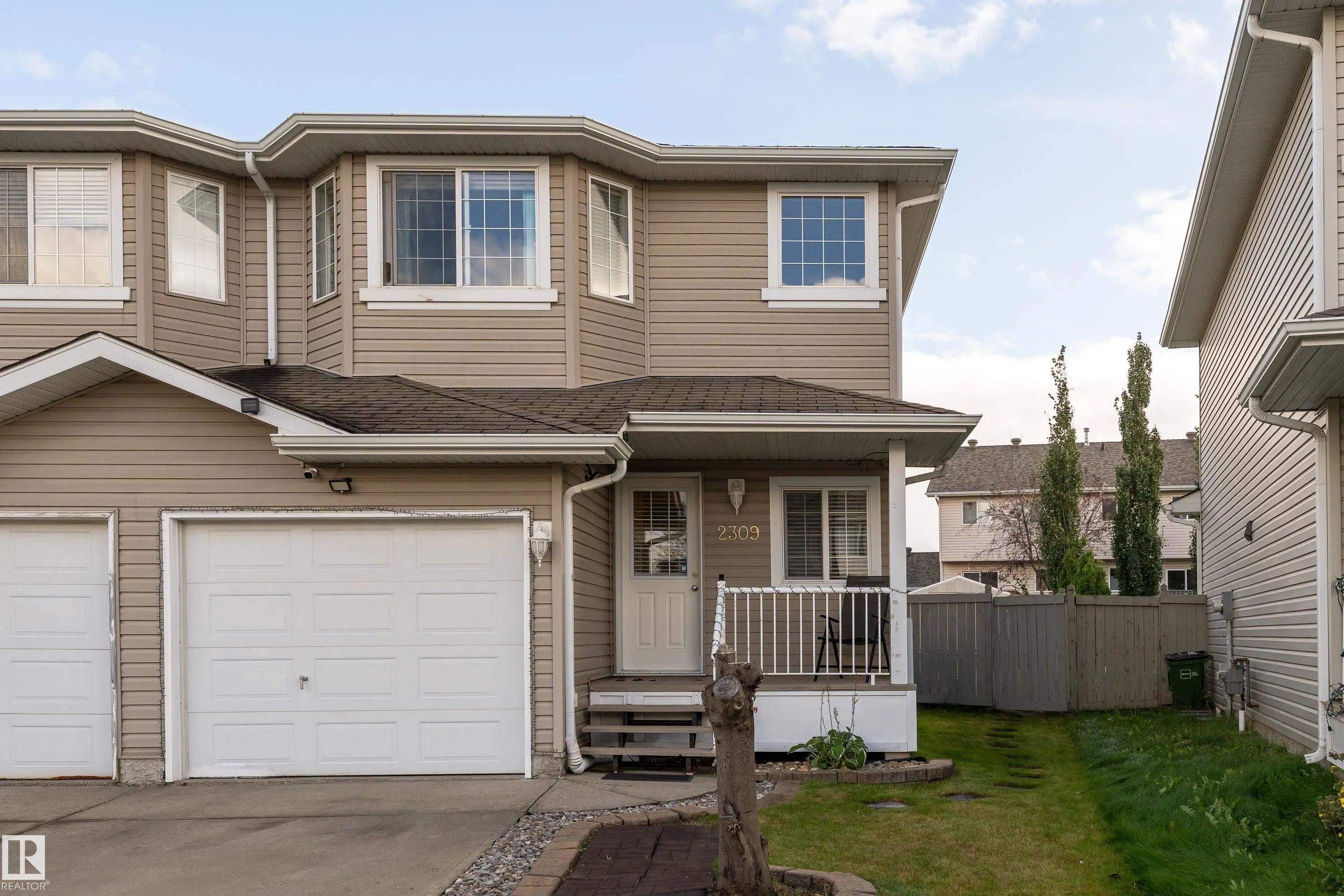
In secondary and tertiary metros such as Atlanta or Tampa, sub-$500,000 capital can still secure 2-to-4 unit multifamily properties or detached single-family homes in stable school districts. These specific assets directly capture rate-locked families looking for suburban living without the 7% mortgage burden.
Tactical Takeaways
-
Underwrite at Current Debt Rates Without Refinance Assumptions Stress-test every acquisition against in-place debt. Do not model a rate cut or refinancing event within the first 36 months of ownership. Deals must hit a minimum debt service coverage ratio (DSCR) of 1.25x based on existing market rents.
-
Model Rent Growth at 0% to 1.5% for Years 1 and 2 Given recent cooling in headline rent metrics reported by kiavi.com, assume flat to low single-digit rent increases during early hold periods. Base yield calculations on operational efficiencies and physical stabilization rather than market-wide rent spikes.
-
Leverage Inventory Expansion to Negotiate Pricing and Concessions With national inventory reaching 4.4 months of supply, as reported by sell2rent.com, buyer leverage has improved. Target listings with 45+ days on market to negotiate seller-paid interest rate buydowns or purchase price reductions that compensate for higher borrowing costs.
-
Target Creative Financing and Assumable Debt Identify opportunities involving assumable FHA/VA loans or seller financing structures as highlighted by realtykast.com. Securing debt below prevailing market rates immediately expands cash-on-cash yield on sub-$500K acquisitions.
Risk Flags
- Expense Inflation Outpacing Rent Gains: While rent growth has moderated to around 1.1%, property insurance premiums, local tax assessments, and maintenance labor continue to climb in many regions. Under-budgeting capex reserves will quickly erode thin operating margins.
- Submarket Supply Concentrations: Certain Sun Belt submarkets face lingering inventory backlogs from recent multifamily delivery cycles, putting localized downward pressure on rents.
- Macro Regulatory Shifts: Keep track of municipal changes to eviction timelines and tenant-protection ordinances, which can extend carrying costs during tenant non-payment events.
Note: This analysis is for informational purposes only and does not constitute financial or legal advice.
Written by
Under500K Team
Research and market insights for global property investors.