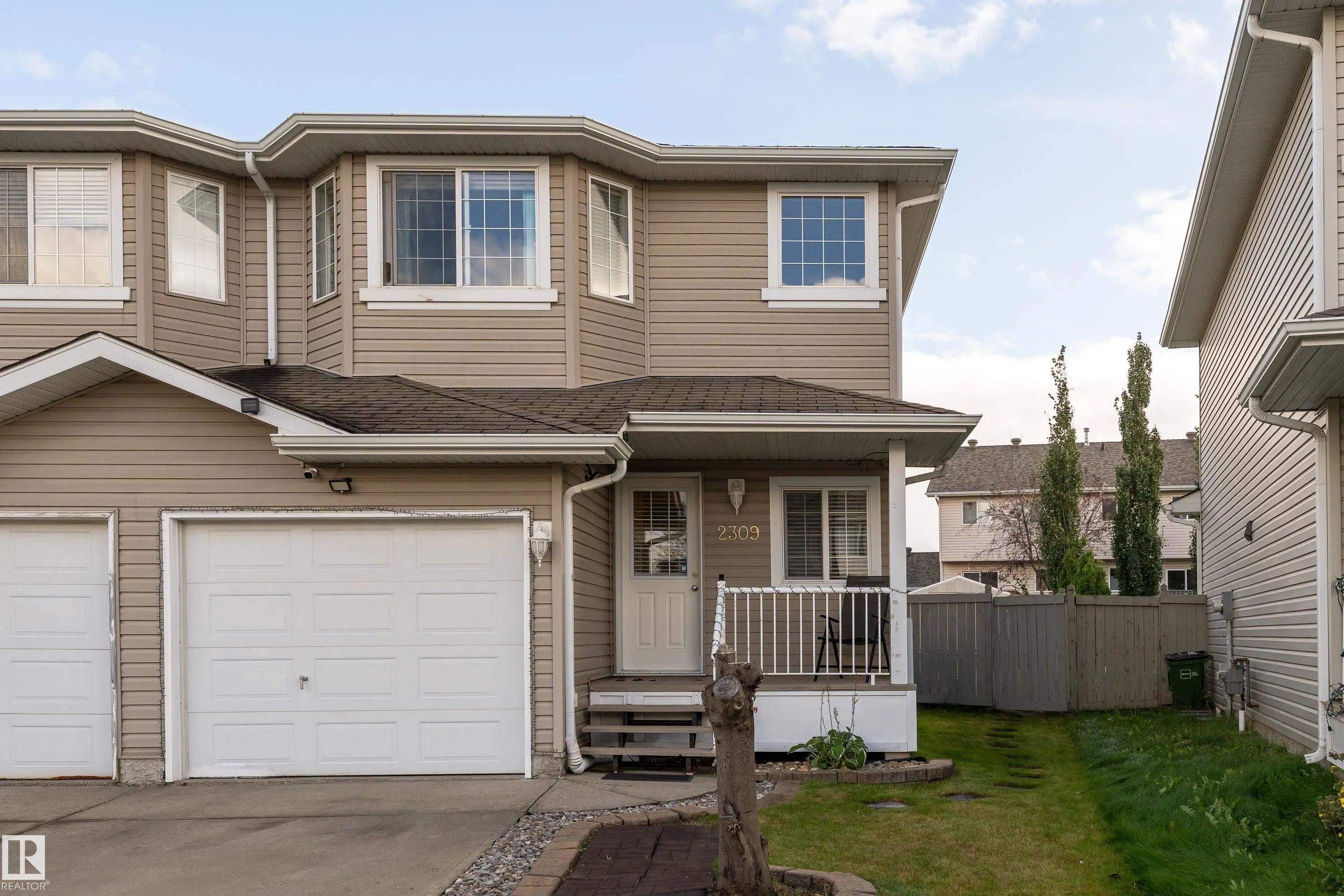
Discover where to buy under $500K in 2026 as inventory shrinks, including Midwest markets, seller concessions, and value-add strategies.
Navigating the Sub-$500K Inventory Squeeze: Where and How to Buy in 2026
Executive Summary
Active inventory under $500,000 has contracted sharply across the United States, with listings below $400,000 plunging from 72.6% in 2020 to just 28.0% in 2026. Coupled with prevailing 30-year fixed mortgage rates hovering around 6.71% and investor debt pricing above 7.25%, entry-level real estate investors face a dual squeeze of reduced supply and elevated capital costs. Navigating this landscape requires pivoting away from overheated Sun Belt secondary markets toward high-yield Midwest metros, utilizing seller-paid financing concessions, and targeting value-add cosmetic renovations.
Key Developments
A study of active listings across 228 U.S. cities by hyperlocalloop.com and movoto.com shows that the supply of sub-$400,000 single-family properties has experienced a structural decline. In 2020, nearly three out of four homes (72.6%) in these metros were listed under $400,000; by 2026, that median share fell to 28.0%.
The compression extends across higher entry tiers as well. Properties listed below $500,000 dropped from 84.6% of the market in 2020 to 55.7% in 2026, while the sub-$250,000 starter tier nearly vanished entirely, plummeting from 21.5% to 1.7% (movoto.com). Wider data from housingwire.com reveals that national starter home inventory remains more than 300,000 listings below 2019 benchmarks.
Simultaneously, debt financing remains restrictive for retail and small-balance commercial borrowers. Freddie Mac data cited by hyperlocalloop.com recorded the average 30-year fixed rate at 6.71% in early September 2026—more than double the 3.15% rate recorded in May 2020. For non-owner-occupied investment properties, typical DSCR loans now price at 7.25% to 7.75% (discountpropertyinvestor.com).
Regional disparity is severe. Western and Sun Belt markets such as Phoenix, Las Vegas, and California's Inland Empire (San Bernardino, Victorville, and Hesperia) recorded the steepest inventory declines for starter inventory. Conversely, Midwest metros remain heavily stocked with sub-$400,000 housing stock: Detroit (96.4%), Cleveland (94.0%+), Toledo, and Lansing continue to offer wide selections for sub-$500K capital allocators (movoto.com).
Investor Impact
For investors operating with sub-$500,000 capital budgets, the traditional single-family acquisition model in coastal and tier-one Sun Belt markets is largely closed. When purchase prices clear $450,000 at a 7.5% debt rate, achieving a baseline gross yield or positive net operating income (NOI) becomes mathematically unfeasible without significant equity injections.
This squeeze is driving a geographic realignment. Capital that previously targeted outer-suburban Sun Belt builds is moving toward cash-flowing Midwest and Rust Belt metros where price-to-rent ratios remain balanced and entry pricing is often under $250,000. In these locations, investors can achieve unlevered cap rate figures north of 7.5% to 8.5%, allowing portfolios to support current debt service without relying on speculative appreciation.
Furthermore, property typology is evolving. Investors priced out of standalone single-family detached properties are shifting focus to townhomes, well-governed condominiums, and 1970s–1980s single-family homes with deferred cosmetic maintenance that can be acquired at a discount (discountpropertyinvestor.com).
Tactical Takeaways
-
Reallocate Capital to High-Inventory Secondary Markets: Target Midwest and Rust Belt markets where sub-$400K inventory remains over 70% of active listings. Focus diligence on Detroit, Cleveland, and secondary Ohio and Michigan nodes that offer favorable rent-to-price ratios and sustainable entry bases.
-
Structure Seller Concessions for Rate Buydowns: Rather than negotiating straightforward price discounts, request seller credits toward permanent mortgage interest rate buydowns. A $12,000 seller-paid financing concession that lowers your note rate from 7.25% to 6.25% will deliver significantly higher monthly cash-on-cash return than a matching $12,000 drop in purchase price (discountpropertyinvestor.com).
-
Underwrite Strict DSCR Thresholds at 7.5% Exit Rates: When evaluating BRRRR or value-add transactions, eliminate aggressive refinancing assumptions. Model all long-term exit financing with a minimum 1.20 DSCR at 7.25%–7.75% interest rates on a 70% loan-to-value (LTV) basis (discountpropertyinvestor.com).
-
Target Problem Properties Over Turnkey Retail: Focus deal sourcing on stale inventory (45+ days on market), estate sales, and homes built between 1978 and 1990 requiring $25,000–$35,000 in cosmetic updates. This creates immediate equity upon stabilization while keeping the total basis well below the $300,000 ceiling.
-
Evaluate Attached Housing and Townhomes: Broaden acquisition parameters to include fee-simple townhomes and low-HOA attached units in infill submarkets. These properties often trade at a 15% to 25% discount to nearby detached single-family homes while capturing comparable tenant demand.
Risk Flags
- Insurance and Municipal Tax Re-assessments: Operating expenses can rapidly erode projected yields. When purchasing legacy properties in newly expanding markets, municipal tax re-assessments upon transfer and surging hazard insurance rates can eliminate up to $150 per month in net cash flow (discountpropertyinvestor.com).
- HOA Special Assessments in Attached Housing: When acquiring condos or townhomes as a single-family alternative, thoroughly inspect HOA reserve funds and deferred maintenance schedules. Unfunded capital projects can trigger immediate four- to five-figure assessments that impair targeted IRR.
- Over-concentration in Stagnant Submarkets: While low median prices in Rust Belt metros are attractive, avoid neighborhoods lacking population or employment stability. Screen for submarkets with stable occupancy rates and landlord-friendly local municipal codes.
Sources
- Hyperlocal Loop: Sub-$400,000 homes vanish in many U.S. cities as prices surge
- Movoto: The $400,000 Home is Disappearing From Some U.S. Markets
- HousingWire: Starter home inventory trails 2019 by 300,000 listings, per new data
- Discount Property Investor: U.S. Real Estate Market Analysis & Investor Guide
Written by
Under500K Team
Research and market insights for global property investors.