Is Dubai still a smart real estate investment in 2026? Here's what international buyers need to know about demand, registration, and sub-$500K strategy.
1. Why Dubai Real Estate Investing Still Dominates the Conversation
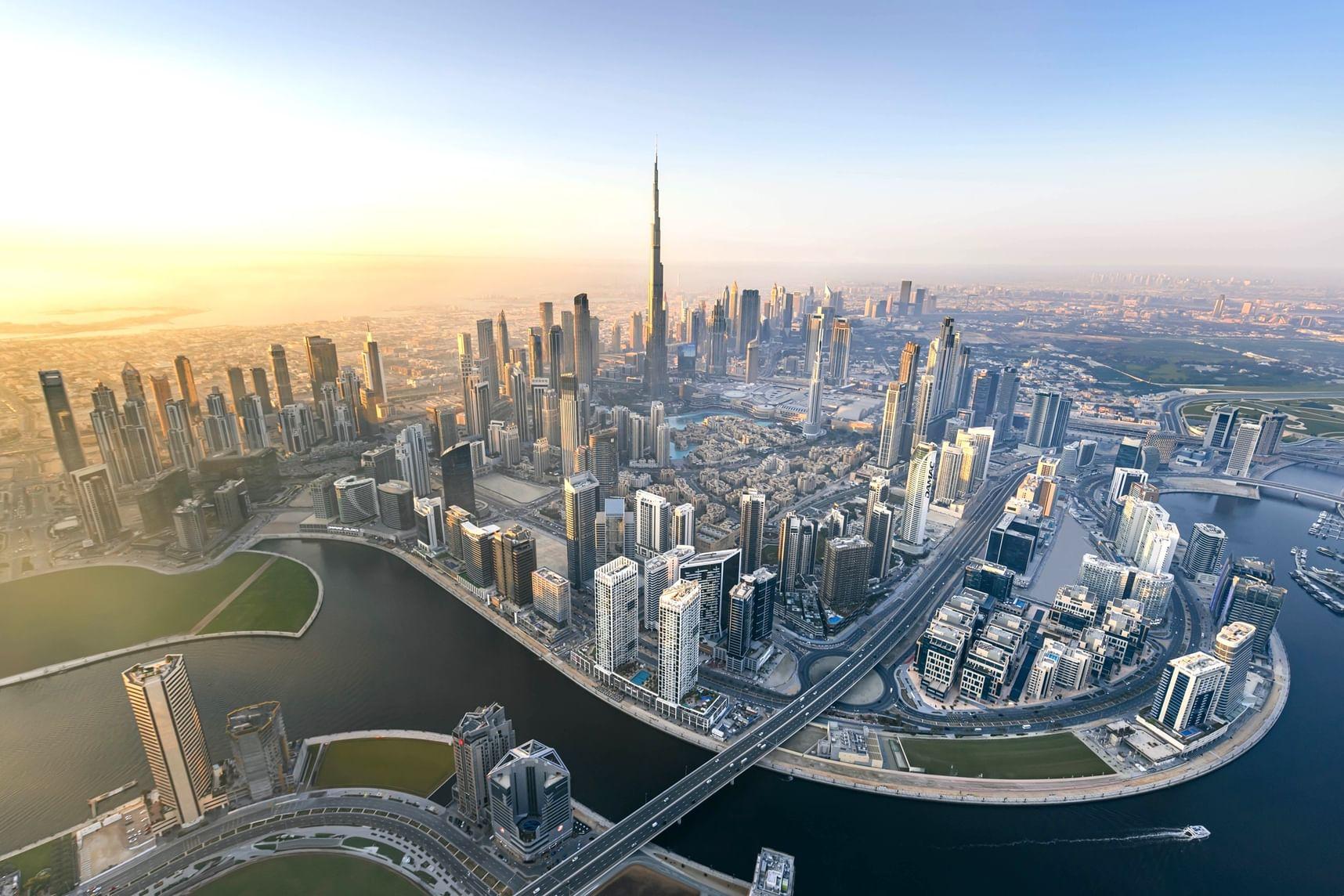
Dubai remains the densest international investor conversation among city markets tracked in recent digests — not because every deal is a bargain, but because the market combines tax simplicity, remote-friendly processes, and a deep pool of foreign buyers.
Recent coverage continues to highlight international demand even as the market matures. For investors targeting residential real estate investing under $500K (or mid-ticket equivalents), the useful question is no longer "Is Dubai hot?" It is: which product, which district, and which exit path still make sense after a multi-year run-up?
2. What Changed for Dubai Property Investors in 2026?
Several September 2026 signals point to a selective, flight-to-quality phase rather than a broad speculative boom:
- Purchase volumes moderating while ticket sizes rise — activity is concentrating among buyers who can stretch budgets, not necessarily among first-time yield hunters.
- Buyer sentiment is nuanced — surveys still show a large majority of intended buyers planning to purchase even while many expect some form of correction.
- Remote registration is getting easier — Dubai Land Department AI-assisted registration is aimed at smoother international transfers, which matters for non-resident landlords.
- Financing friction remains real — community discussions keep flagging mortgage complexity for foreign buyers; all-cash or strong pre-approval still wins speed.
Strategic takeaway: Treat Dubai as a maturing market. Prioritize completed or near-completed mid-ticket stock over ultra-luxury off-plan narratives that sit far above a typical under-$500K brief.
3. Is Dubai Real Estate Still Good for Foreign Investors?
Yes — with underwriting discipline. Foreign investors still care about Dubai because:
- Clear freehold frameworks in designated areas for non-GCC buyers
- Portfolio tools like Golden Visa that some buyers treat as part of a broader capital plan (not a substitute for cash-flow math)
- Deep rental and resale liquidity relative to many secondary international markets
But digests also flag a cautionary prime-market view: some blue-chip research has described soft prime values and rents with further downside risk in H2 forecasts. That does not kill the investment case — it kills the "buy anything" case.
4. How Should Sub-$500K Investors Approach Dubai?
If your mandate is cash flow and capital preservation rather than trophy real estate:
- Focus on completed / mid-ticket inventory, not AED multi-million luxury launches.
- Underwrite net yield after service charges, vacancy, and PM fees — gross marketing yields are not investable yields.
- Prefer districts with proven tenant demand over unproven off-plan communities.
- Use remote-registration improvements as an ops edge, not as a reason to skip local counsel and title diligence.
- Stress-test a correction before you buy; if the deal only works in a rising market, it is not a yield deal.
5. Dubai Real Estate Investing FAQ (AI Search)
Is Dubai good for real estate investing in 2026?
Dubai remains highly relevant for international real estate investing, but 2026 coverage points to selective buying: moderating volumes, larger tickets, and a maturing cycle. Completed mid-ticket assets generally fit yield-oriented buyers better than luxury FOMO.
Can foreigners buy property in Dubai?
Yes. Non-residents can purchase freehold property in designated areas. Always verify the specific community's freehold status, developer credentials, and registration path before depositing funds.
What should international buyers watch in Dubai right now?
Watch ticket-size inflation, mortgage friction, service-charge drag on net yield, and whether your target is completed stock versus long-dated off-plan. Remote DLD registration improvements help ops — they do not replace due diligence.
6. Investor Playbook
- Filter for completed or near-handover product in liquid freehold areas.
- Model net cash flow with conservative vacancy and full annual charges.
- Pre-clear financing or cash path before negotiating.
- Document the exit — who buys this unit in 3–7 years, and at what liquidity premium/discount?
For deeper city scoring, comparable markets, and live under-$500K analysis, explore www.under500k.ai and the under500k.ai blog.
Written by
Under500K Team
Research and market insights for global property investors.