Stop chasing “brand name” cities in real estate investing. This article explains why buying based on fundamentals - cash flow, risk, and local laws - often beats investing for prestige. Learn the difference between cash flow and appreciation strategies, why “unsexy” markets can deliver better returns, and how to avoid costly mistakes when choosing where to invest.
If you spend any time in real estate forums, you'll notice a pattern. Everyone wants to own in places like New York, Miami, Malibu, London — not because the deals make sense, but because it sounds good.
"I own property in Manhattan."
That's not investing. That's ego.
The Problem With "Brand Name" Cities
High-demand cities come with massive purchase prices, high property taxes and insurance, low rent-to-price ratios, and strict tenant protection laws. What does that usually mean? Negative cash flow, thin margins, and high dependency on appreciation.
In simple terms, you're betting on the future — not investing in the present.
Cash Flow vs. Appreciation: Pick One (On Purpose)
There are two legitimate strategies in real estate:
Cash Flow Investing — Buy where the numbers work today. Monthly income exceeds expenses. Lower risk, slower growth.
Appreciation Investing — Accept low or negative cash flow. Rely on long-term price increases. Works best with strong income and deep reserves.
The mistake most people make? They accidentally do appreciation investing without realizing it. They stretch to buy an expensive property and hope everything goes right for 20 years.
That's not a strategy. That's a gamble.
The Silent Killer: Landlord Laws
A deal can look great on paper and still be terrible in reality. Why? Because laws matter.
In some markets, evictions can take months or even years. Tenants can delay or avoid payments. Rent increases are restricted.
Now ask yourself: can your investment survive a tenant not paying for 6–12 months? If the answer is no, you don't have an investment — you have exposure.
Why "Unsexy" Markets Often Win
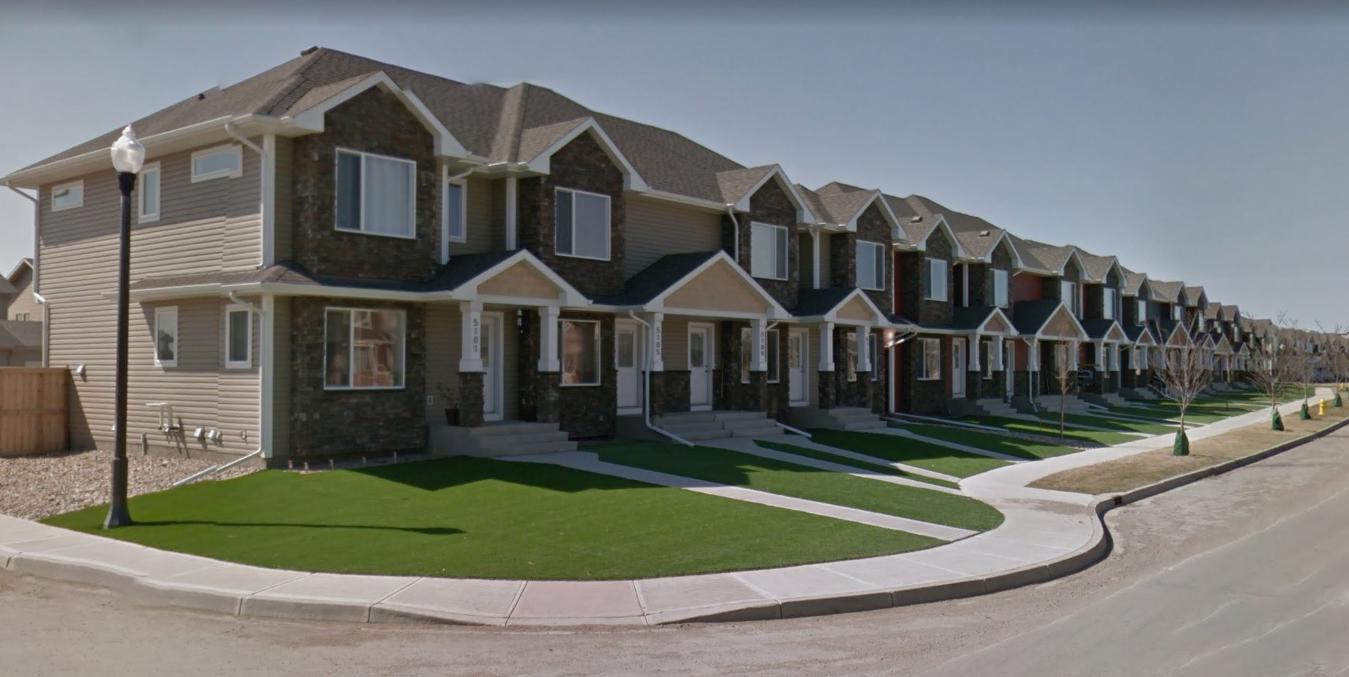
The best deals are rarely in the most famous places. They're in secondary cities, smaller towns with stable demand, and areas with reasonable entry prices.
These markets offer better cash flow, lower competition, and more margin for error. You don't need a famous zip code — you need a profitable one.
You Don't Have to Live Where You Invest
This is a mental barrier for many people. You can live in an expensive city and invest in a cheaper one — many investors do exactly that.
But there's a catch. If you invest remotely, you need strong property management, local knowledge (or a trusted partner), and discipline in deal selection. Otherwise, distance becomes a liability.
The Edge Nobody Talks About: Knowing Your Market
There is one advantage that beats everything else: understanding the market.
If you know the neighborhoods, the tenant profile, and the pricing trends, you can find deals others miss. A decent market you understand well is often better than a "hot" market you don't.
The Reality: Most Deals Don't Work
This is where beginners get it wrong. They think, "If I look long enough, I'll find something." But the truth is that most deals are bad — even in great cities.
Experienced investors pass on 90–99% of opportunities. They wait for mispricing and buy only when the numbers make sense.
Patience is not optional. It's the business model.
Stress-Test Your Investment
Before you buy anything, ask yourself:
- What happens if I lose my job?
- What if the property is vacant for 3 months?
- What if a tenant stops paying for 6–12 months?
If the deal collapses under these scenarios, it's too fragile. Good investments survive bad situations.
Lifestyle vs. Investment: Don't Confuse Them
Sometimes people say, "I don't care if the returns are lower. I want to own here."
That's fine — but call it what it is: a lifestyle decision, not an investment. There's nothing wrong with that, as long as you're honest about it.
The Bottom Line
The biggest mistake in real estate investing is simple: buying based on narrative instead of numbers.
Narrative says: "It's a world-class city." "Prices always go up here." "Everyone wants to live here."
Numbers say: Cash flow. Risk. Legal environment. Sustainability.
The investors who win long-term aren't chasing status. They're buying based on fundamentals — and they're okay if nobody is impressed by their zip code.
If you build your strategy around that idea, you'll avoid most of the mistakes people spend decades recovering from.
Written by
Under500K Team
Research and market insights for global property investors.