Mortgage rates hit 6.53% in March 2026, slashing affordability on sub-$500K homes. Unlock 3 proven strategies for investors to lock rates, snag builder discounts, and boo
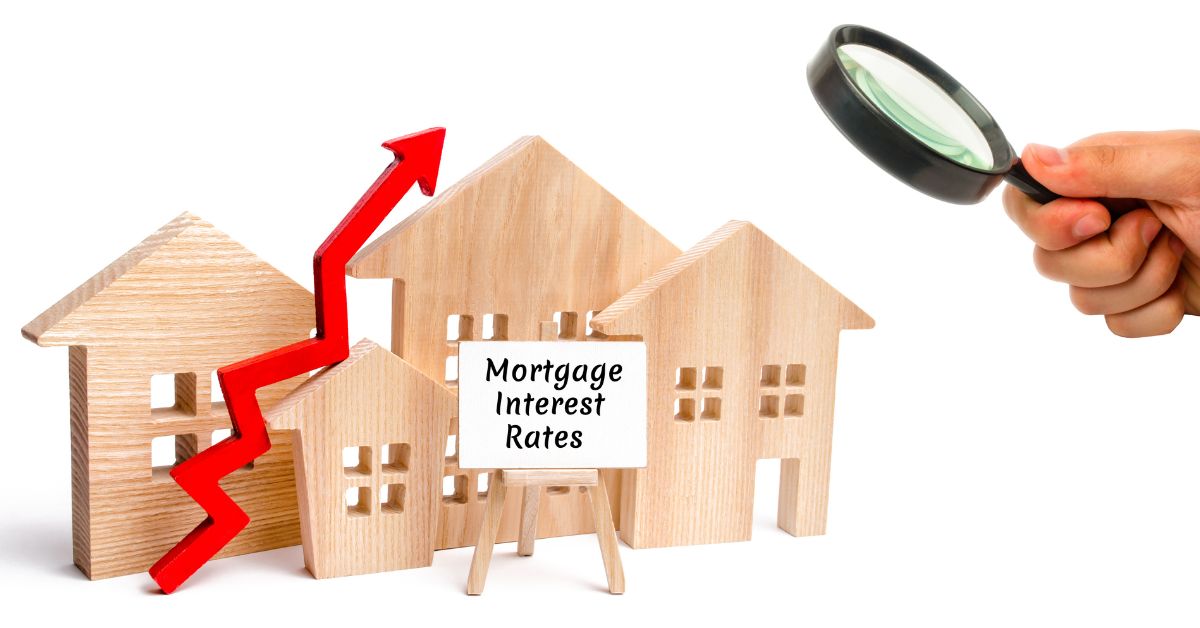
Mortgage rates climbed to a 6.53% peak Friday, the highest since September 2025, driven by inflation worries and global tensions like the Iran conflict. This surge erodes purchasing power on median $487,000 sales, adding $120+ to monthly payments on typical sub-$500K deals. Forecasts point to 5.7% by year-end, but timing the dip risks missing spring inventory buildup—act with these lock-in strategies.
Key Developments
30-year fixed rates averaged 6.43% as of March 24, up 0.08 percentage points week-over-week from the low-6.2% range. Wall Street Journal - March 24 Rates. The Fed held benchmark rates steady at 3.5%-3.75%, but refinance applications plunged 15% week-over-week.
15-year fixed rates rose to 5.78%, up 0.11 points. Wall Street Journal - March 24 Rates. HousingWire pegged 30-year fixed at 6.34% on March 25, with active single-family inventory at 705,663 homes, up 8,412 week-over-week. HousingWire Market Data.
Median list price stood at $434,900; median sale price hit $487,000, up 4.2% year-over-year. HousingWire Market Data. CNBC noted spring homebuying underway, but rates hit 6.53% Friday. CNBC Spring Market.
Home prices rose a flat +0.7% year-over-year in January, with new home inventory at 9.7 months' supply—builders are cutting prices to move stock. CNBC Spring Market. Earlier in March, rates dipped below 6% for the first time in over three years at 6.11% on March 16; Fannie Mae forecasts 5.7% by year-end. Wall Street Journal - Current Rates.
Investor Impact
For sub-$500K investors targeting $400K-$500K single-family homes, the rate jump from 6.2% to 6.5% adds $105-$130 monthly on principal and interest alone (20% down, 30-year term). On a $450,000 purchase (loan $360,000), payments rise from $2,165 at 6.2% to $2,275 at 6.5%—an annual hit of $1,320, squeezing gross yield by 0.3 percentage points assuming $2,800 monthly rent.
Median sales at $487,000 align with your budget ceiling, but higher payments cut debt service coverage ratios below 1.25x on average deals. Inventory growth to 705,663 signals softening—new homes at 9.7 months' supply mean builder concessions up to 5% off list. HousingWire Market Data; CNBC Spring Market.
Refinance drops signal locked-in owners at sub-6% rates, reducing competition but pressuring cash buyers. Forecasts to 5.7% could reclaim $80 monthly, boosting IRR by 0.5 points over five years—but delays risk price stabilization or renewed inflation spikes. Affordability craters 7-10% from February lows, per rate math.
Spring market volume is up despite rates, with flat YoY prices offering entry at median list $434,900. Sub-$500K deals in inventory-heavy markets gain leverage, but financing costs now dictate hold periods: breakeven rent jumps 4%.
Tactical Takeaways
-
Lock rates immediately on identified deals: Secure today's 6.4%-6.5% quotes with a 60-day lock if under contract—beats float risk amid Fed uncertainty. Pair with 2-1 buydown for year-one relief at 4.4% effective.
-
Target builder incentives in high-inventory zones: New homes at 9.7 months' supply yield 3-5% price cuts plus 1% lender credits—offsets 0.3% rate hike on $450K deals, preserving cap rate above 7%.
-
Build a lock-vs-wait framework: If yield drops below 8% at current rates, pause for 5.7% forecast; otherwise, shop five lenders for 6.3% average and assume $100/month escrow buffer. Stress-test at 7%.
-
Pivot to 15-year or ARM for cash flow: 5.78% 15-year on $360K loan = $2,995/month vs. $2,275 30-year, but pays off in 15 years—ideal for flips or high-rent subs.
-
Monitor weekly via Freddie Mac: Act if rates hold above 6.5% two weeks—inventory at 705K+ favors buyers before summer rush.
Risk Flags
Inflation reacceleration or Iran escalation could push rates to 7%, adding $200/month and forcing 10% budget cuts—watch CPI April 10 release. Fed hike signals if March 3.5%-3.75% range breaks upward.
Inventory surge masks regional gluts; overbuild in Sun Belt risks 5-10% price drops, eroding equity. Refi freeze locks competitors in place, but rising delinquencies (if data emerges) could flood REO sub-$500K supply.
Forecasts miss: 5.7% YE assumes soft landing—early signals like +4.2% median sales suggest stickiness. This analysis is for informational purposes only.
Sources
Written by
Under500K Team
Research and market insights for global property investors.